This website is no longer maintained. For the latest updates and information on my work, you can visit the Research group’s webpage at http://www.BODIESlab.com

scientist in biomechanics
This website is no longer maintained. For the latest updates and information on my work, you can visit the Research group’s webpage at http://www.BODIESlab.com

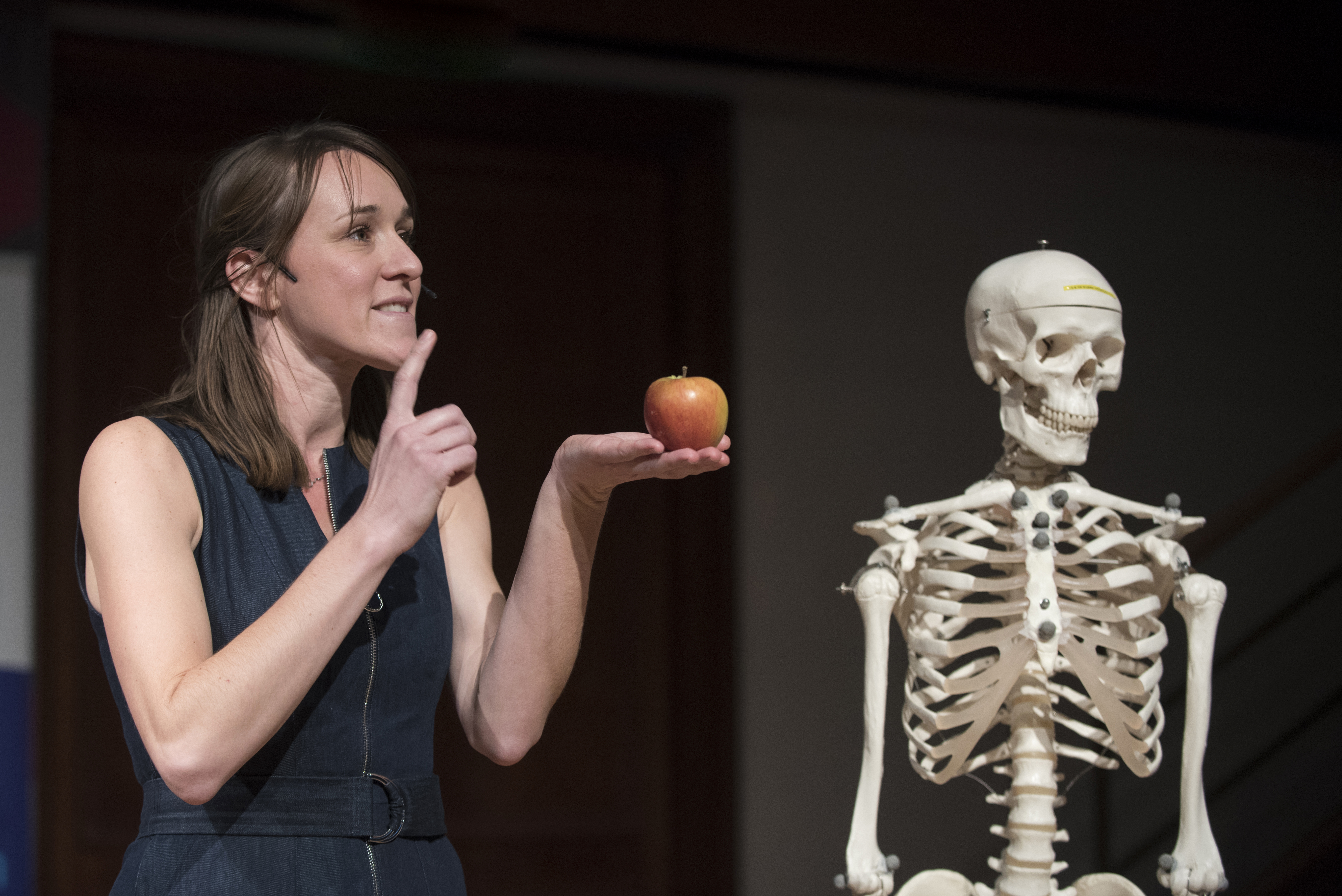
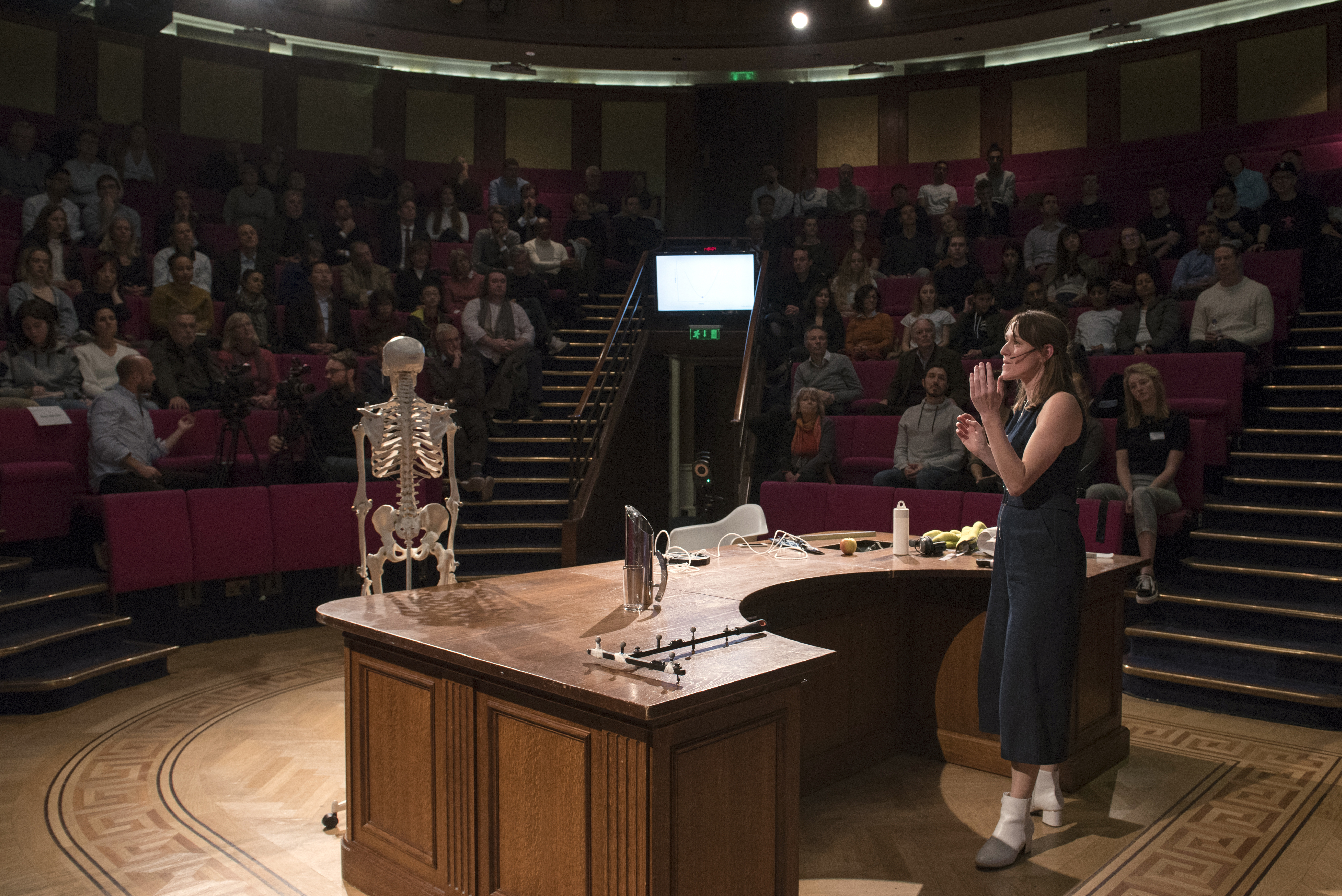
 On Wednesday Oct 30 2019 I had the honour to give the ‘Karel Luyben Lecture’ for the general public at the Royal Institution of London. The Royal Institution is a very special place where remarkable people have researched, lectured and lived, such as Michael Faraday and David Attenborough. It was an amazing experience to give a lecture in this place about my favorite topic: ‘pushing the boundaries of human movement’. The lecture brings together my PhD work on speed skating and my current work on age-related mobility impairments. Newton’s second law, simple dynamic models, complex dynamic models, instrumented speed skates, live human motion capture, and ageing suits, in short a dynamic show!
The lecture is broadcast on the channel of the Royal Institution:




Nominated by the Delft Women in Science society, I traveled back to Delft last week to present my PhD work to a committee of TU Delft board members. Unfortunately, I did not become the best female phd graduate 2018 at the TU Delft, but I can say I am one of the best (four)! The full story will be broadcast soon in our vlog-serie ‘Scenes behind Science’.


This week you can follow my move to London and the start of my research via the NWO youtube channel and facebook. The teaser;

Dankzij de Rubicon beurs van NWO mag ik twee jaar werken aan mijn eigen onderzoek op Imperial College London! Dit is wat mijn onderzoek inhoudt:
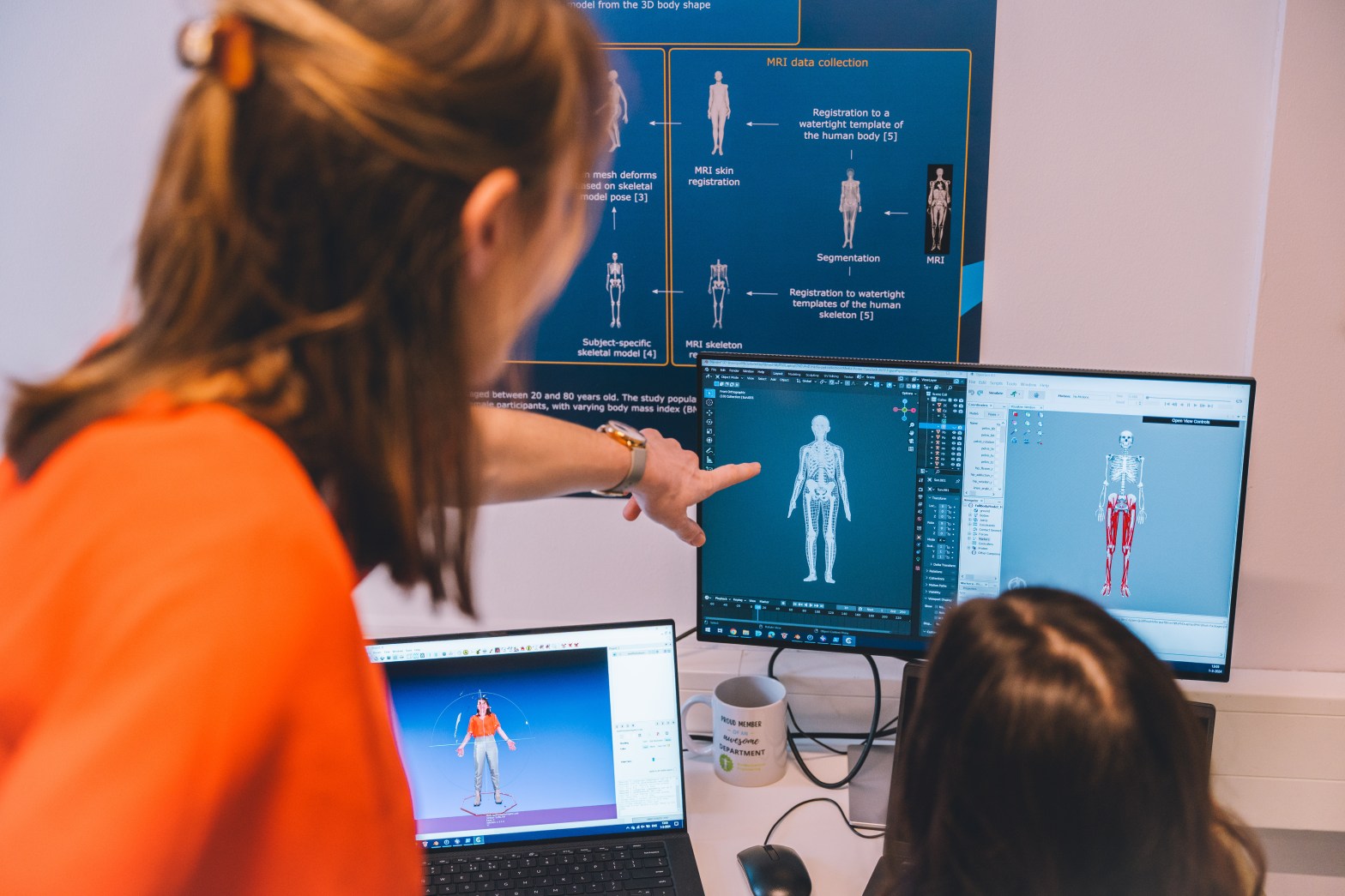
Ageing-related mobility impairments resulting from progressive movement limitations pose societal and economic burdens on our population. Ageing is accompanied by loss of physical properties such as muscle strength and power, bone health, and (joint)pain, for which elderly develop coping mechanisms in their movement strategies. Furthermore, movement strategies are influenced by preferences in movement objectives, in terms of avoidance of risk (stability, speed) and pain, as well as energy efficiency. Scientists and clinicians do not yet fully understand the effects of decline of each individual physical property and movement objective, on the movement strategies of elderly, since only their combined actions can be observed. Therefore, it is unknown how much decline of each variable can be tolerated before daily activities become impaired, which impedes developments of (preventive) therapies.
The aim of my study is to determine these individual and combined effects of decline, using a dynamic computational model that can quantitatively predict (simulate) how human movement strategies change as a result from progressively changing age-related physical properties and movement objectives. I develop forward neuro-musculoskeletal models adjusted to ageing to perform these simulations. The models can support clinicians in prescribing more effective and efficient treatment to prolong mobility in elderly.

 Recently we (Marco Reijne and me) have published a review on the accuracy of human motion capture systems in sport applications. Since manufacturers report on specifications which are determined in set-ups that usually largely differ from sport research in terms of volume, environment and motion, it can be labor-intensive and difficult to select the right measurement system. For this cause, we have now initiated an open online platform to assist researchers in the selection of a suitable motion capture system for their experimental setup, based on this literature review. To keep this overview updated, we invite researchers to contribute to this online chart and system overview with their accuracy tests and calibration procedures on human motion capture systems for sport-like set-ups. Methods and results can be uploaded via the platform.
Looking for a motion-capture system? Here's a scientific review of available systems. @elinevanderkruk #PreparetoWinhttps://t.co/aewE0M1V9z pic.twitter.com/xi7Zma5Tn5
— CoachMePlus (@CoachMePlus) July 18, 2018
Paper on the "Accuracy of human motion capture systems for sport applications'
Useful graphical representations included
by @elinevanderkruk and @cierramarco— Fergus Connolly (@Fergus_Connolly) 19 mei 2018

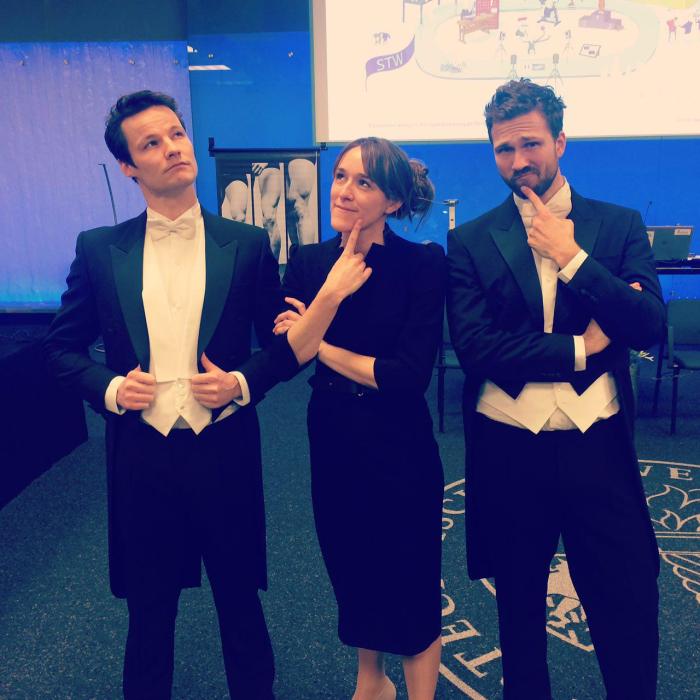
Op 08-02-2018 was het dan echt zover: mijn verdediging! Het was een hele toffe dag met een nog veel mooiere afsluiting: Cum Laude Gepromoveerd!



Ook de media besteedde heel wat aandacht aan deze dag:
Metro
Link Magazine
Ad.nl
https://www.ad.nl/binnenland/met-zenders-op-de-klapschaats-jagen-op-olympisch-goud~afaf0a7c/
NRC
https://www.nrc.nl/nieuws/2018/02/09/rekenen-aan-de-ideale-schaatsslag-a1591582
De Ingenieur
https://www.deingenieur.nl/artikel/shorttrackers-kunnen-sneller-dankzij-meetschaats
Delftse Post
https://www.delftsepost.nl/nieuws/algemeen/352669/op-weg-naar-de-ideale-schaatsslag-tu-ontwikkelt-meetschaats-?redir
NPO Radio 1
http://www.nporadio1.nl/nos-radio-1-journaal/uitzendingen/580600-2018-02-08?share=b36a0&t=0 (08-02, 6:35 uur)
Omroep West online
https://www.omroepwest.nl/nieuws/3582451/Geheim-achter-beter-schaatsen-na-millennium-misschien-ontdekt
TU Delta
Nationale Onderwijsgids
https://www.nationaleonderwijsgids.nl/universiteit/nieuws/42513-promotieonderzoek-naar-ideale-schaatsslag.html#.WngrENKQDHk.twitter
Trouw
https://www.trouw.nl/home/schaatsslag-kan-nog-beter-denkt-delftse-promovenda~a5f28662/
SportinnovatorXL
https://www.sportinnovator.nl/nieuws/meetschaats-geeft-shorttrackers-ook-nieuwe-inzichten-over-schaatsslag
Technisch Weekblad (hierin wordt je onderzoek kort genoemd)
https://www.technischweekblad.nl/achtergrond/schaatsen-op-de-grens/item11287
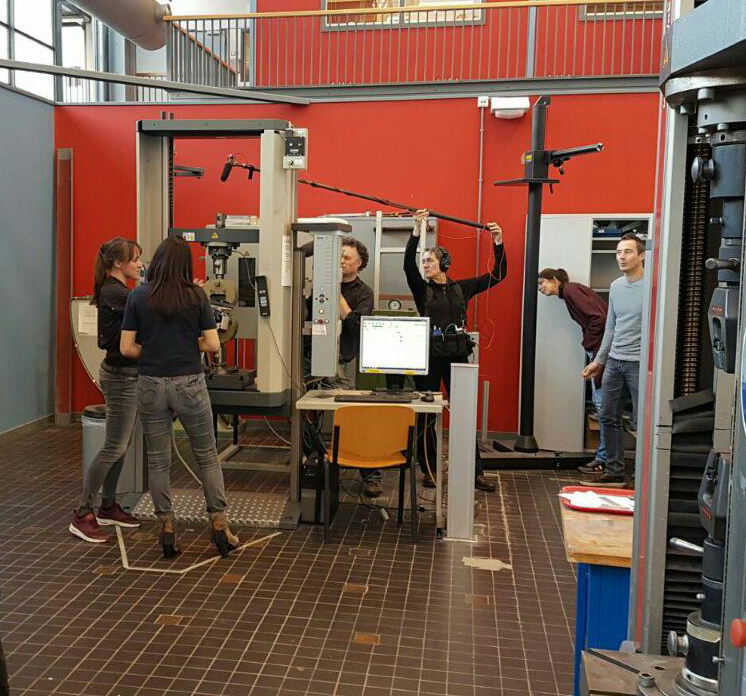
Bij het programma ‘de kennis van nu’ heb ik uitleg gegeven over hoe wij de coaches willen hebben hun trainingen individueler te maken!
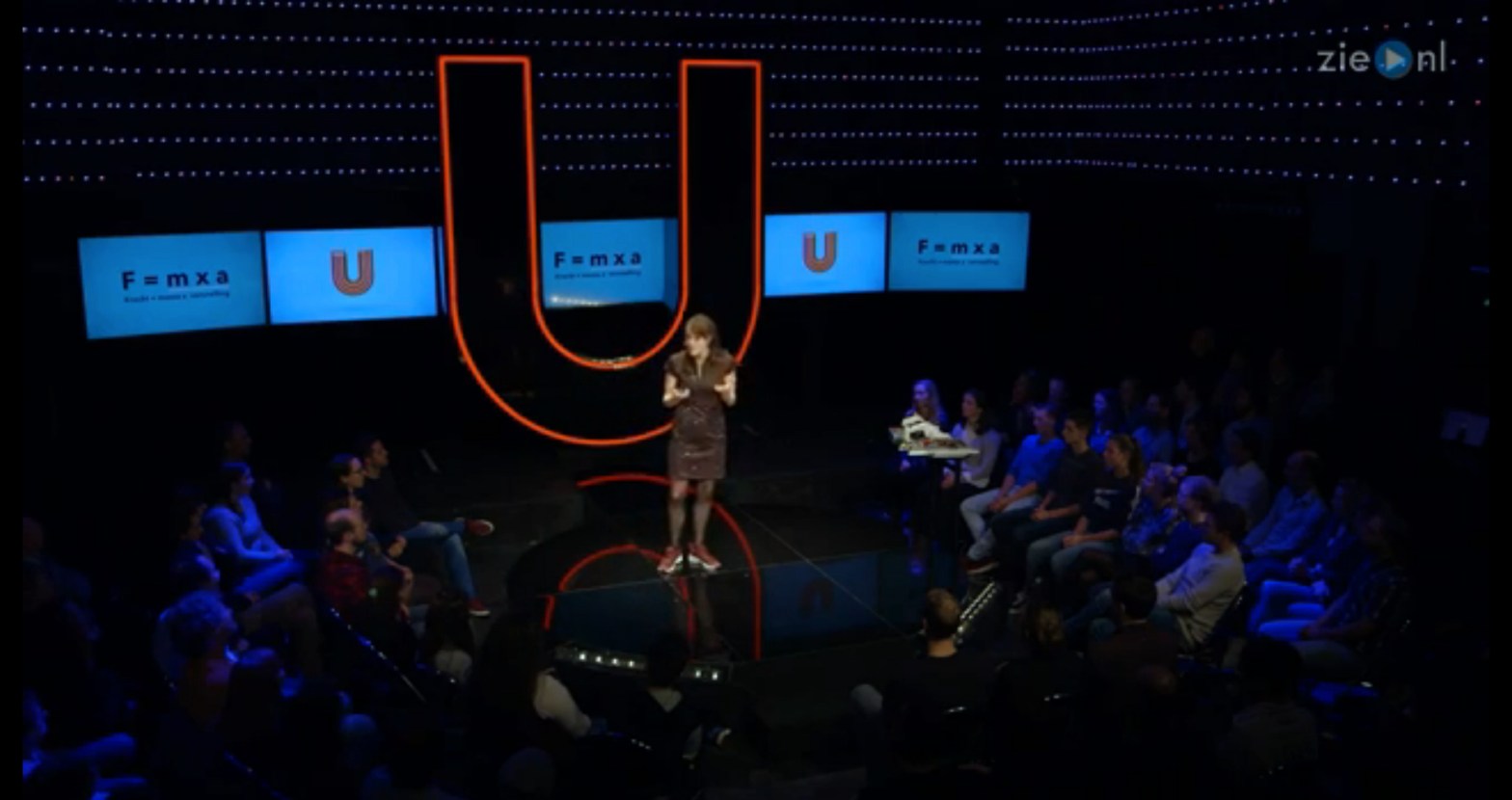
Wat ont-zettend leuk om te doen, college geven bij de Universiteit van Nederland! Bekijk het college hier:

Afgelopen November zijn we op de TUDelft gestart met de productie van de nieuwe meetschaats! Start the Future was erbij om een dagje met me mee te lopen. Bekijk hier de korte documentaire:

 Eline van der Kruk